
champagne often confined to the role of a celebratory wine, typically reserved for the aperitif or the dessert that concludes a meal.
Yet, thanks to the complexity of its production method, the diversity of its grape varieties, and its remarkable mineral tension, it stands out as one of the world’s greatest wines for fine dining.
Knowing which champagne for your culinary pairings transforms a meal into an unforgettable sensory experience. From the sea breeze to the creamy textures of fine cheeses, Champagne Marquis de Joncry invitesMarquis de Joncry to discover the secrets of an exceptional dining experience where the effervescence elevates every bite.
The start of a meal calls for a lively wine to stimulate the appetite without overwhelming the palate. For this delicate transition, very lightly dosed champagnes or Chardonnay-dominant cuvées are the perfect choice.
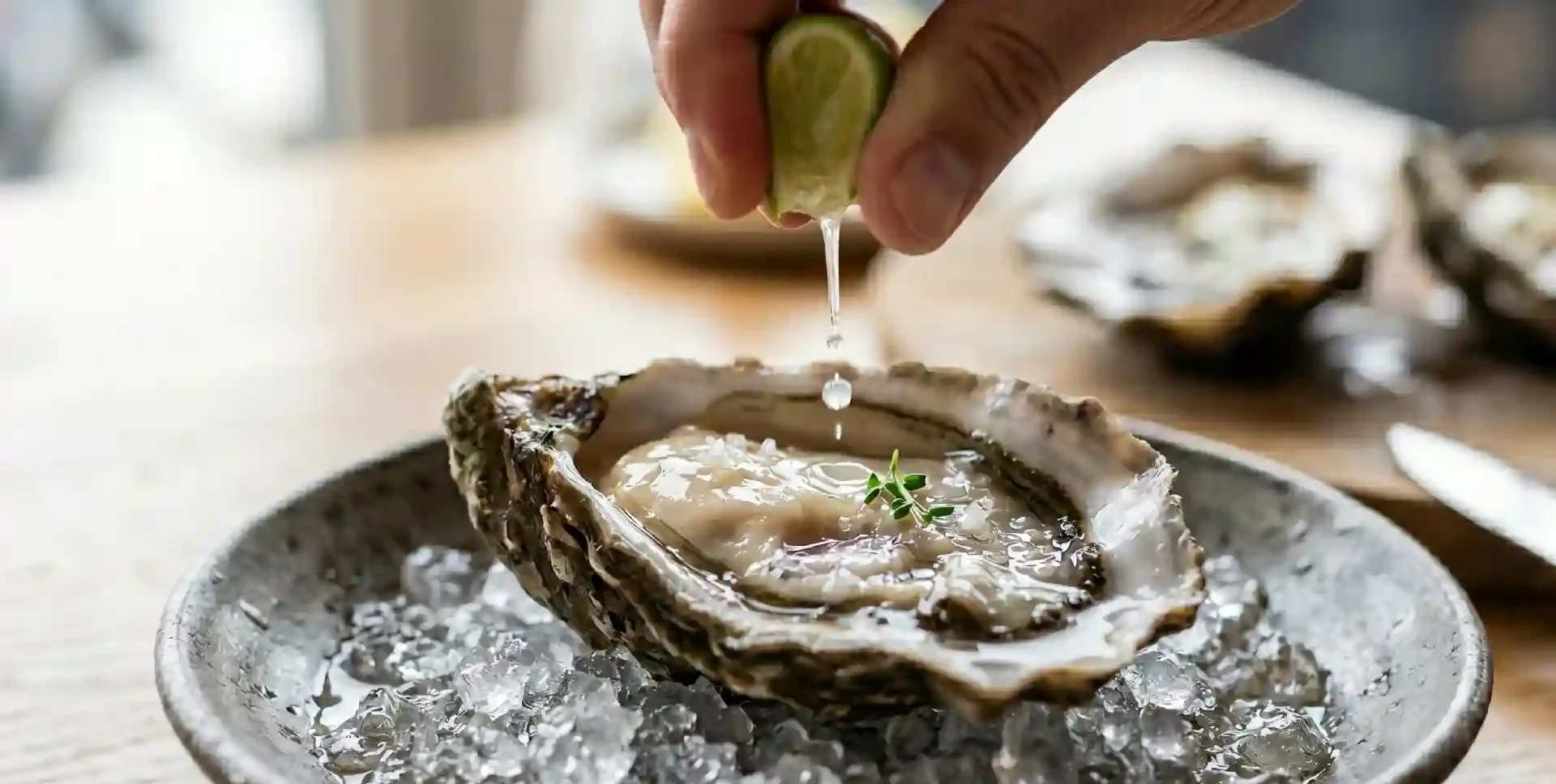
A champagne de Blancs champagne or a blend dominated by Chardonnay, characterized by its crystalline freshness and notes of white flowers, calls for pairings of great finesse. The briny flavor of fresh oysters, the silky texture of a scallop carpaccio, or the elegance of Sologne caviar find a perfect match here. The wine’s chalky and citrus notes highlight the briny flavor without ever overpowering it.
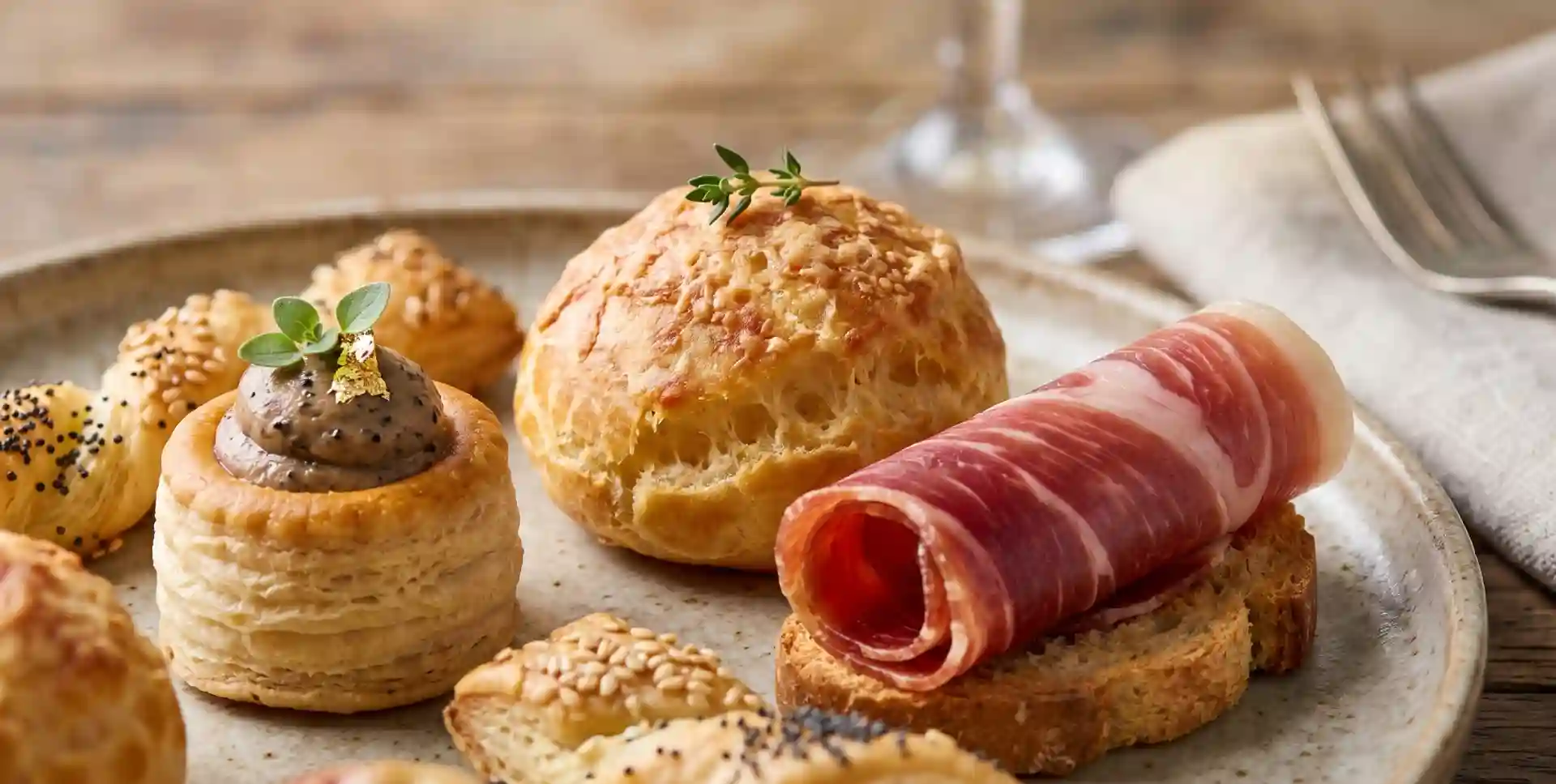
For a more traditional appetizer featuring puff pastries, Comté cheese gougères, or Bellota Iberian ham, aBrut champagne is ideal. Its natural roundness—often imparted by a touch of Meunier—complements the dry, rich texture of these appetizers, creating a lively and convivial start to the meal.
Pairing champagne with the main course champagne for a wine with more body and structure. This is where red grape varieties—Pinot Noir in particular—really come into their own.
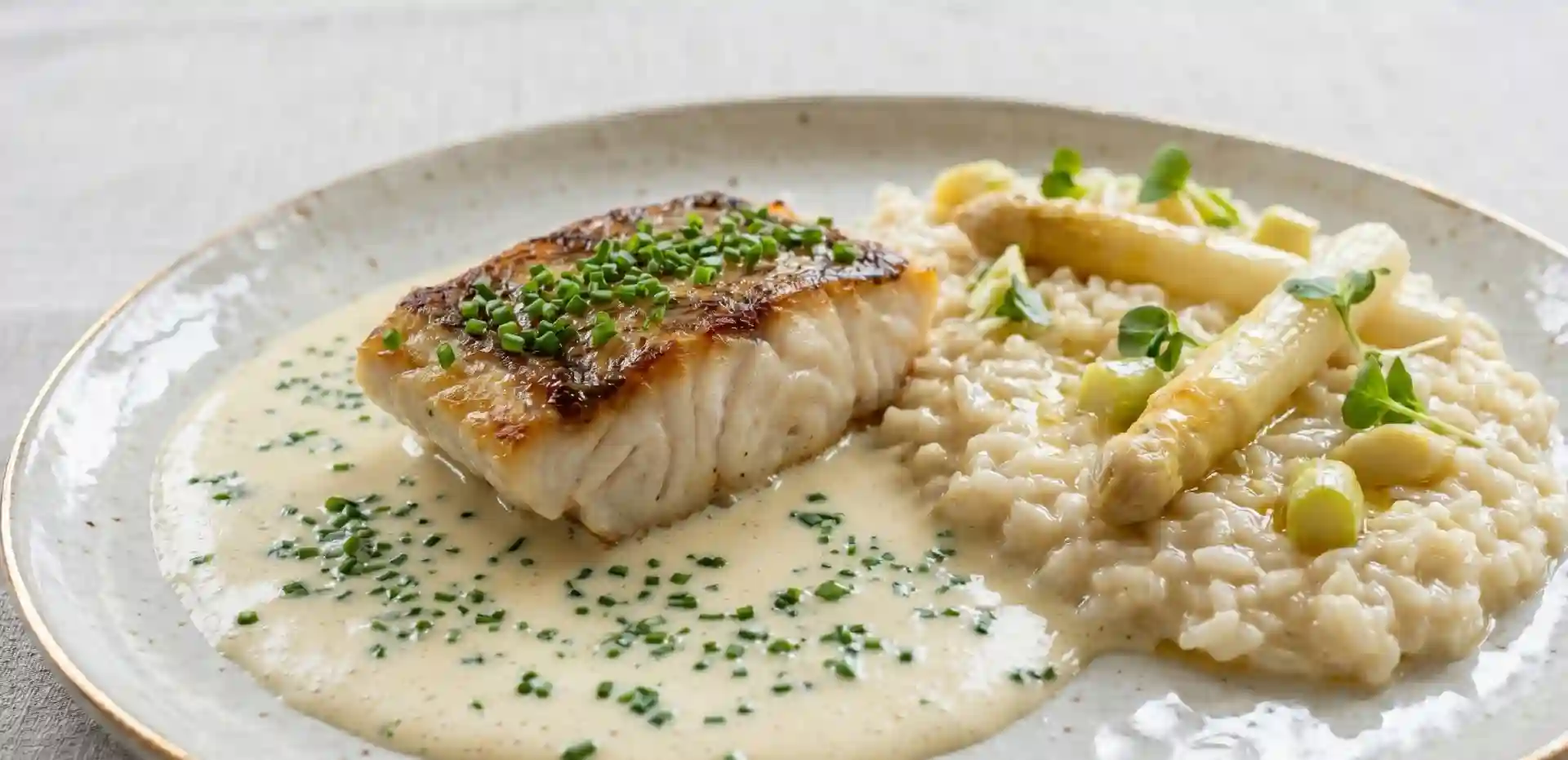
A turbot roasted in beurre blanc or a fine Bresse chicken in cream sauce, served with a hearty risotto made with local white asparagus, calls for a champagne a certain vinous character and extended aging on the lees. Cuvées aged for longer develop tertiary notes of toasted brioche, hazelnut, and melted butter that harmonize beautifully with the richness of creamy sauces.
If there’s one pairing where champagne is rarely expected, it’s with red meat. Yet, a spiced Peking duck or a veal fillet with morels pairs masterfully with a complex champagne champagne or champagne de saignée. The latter, thanks to its subtle tannic structure and its aromas of tart red berries, offers an elegant and refreshing counterpoint to the richness of the meat.
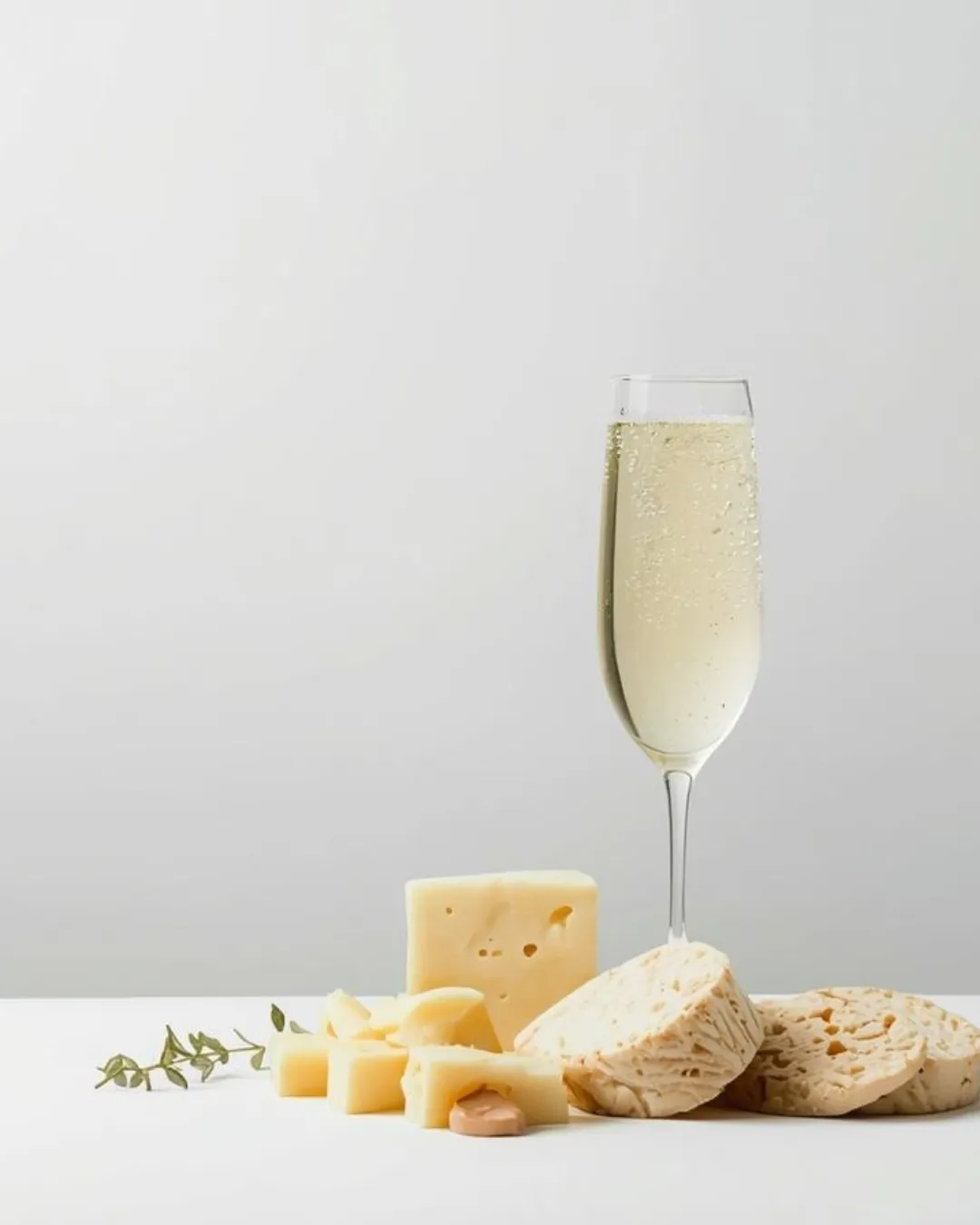
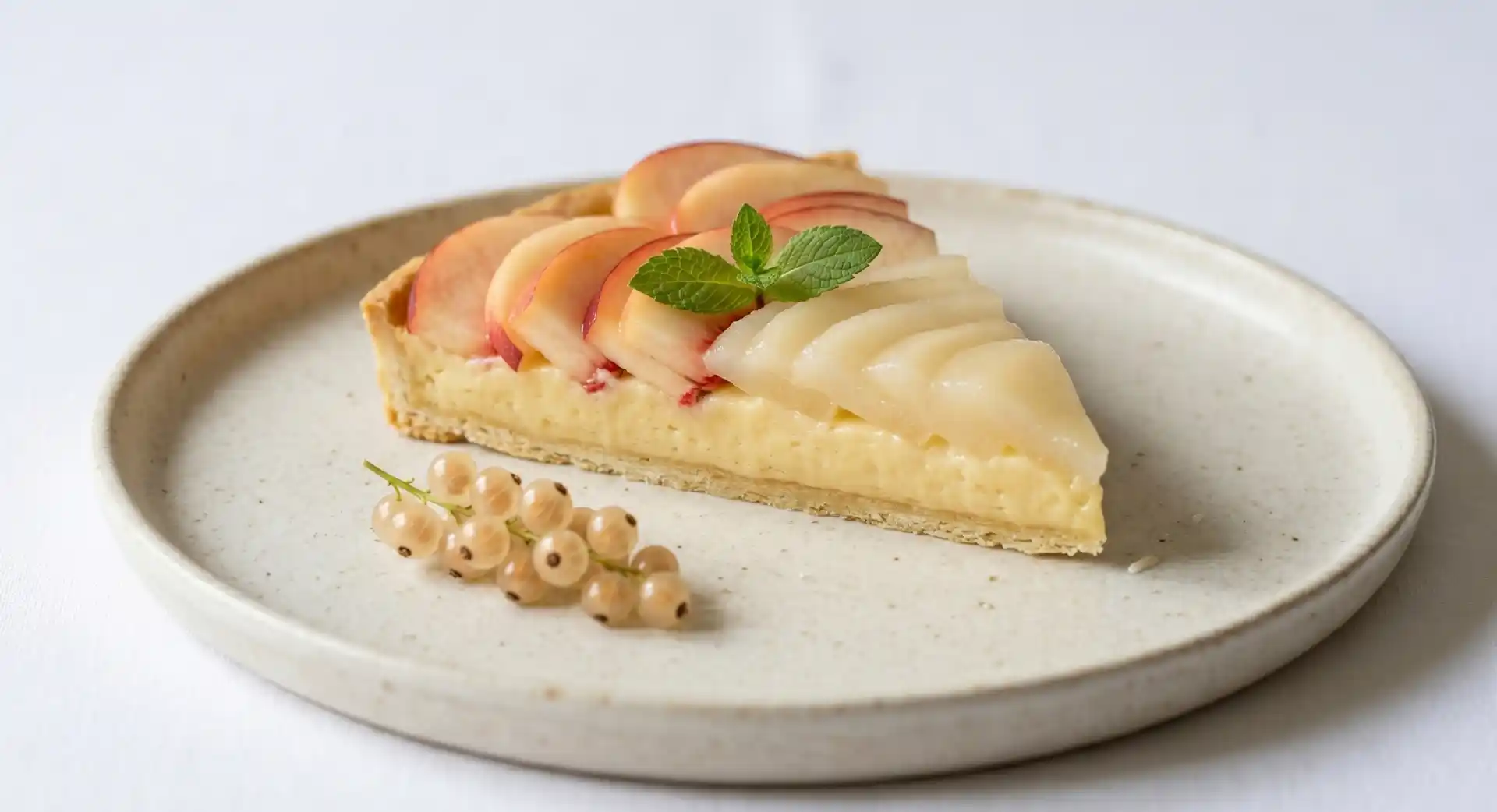
To end the meal on a high note, the rule is simple: the wine should always be as sweet as—or sweeter than—the dish.
For white fruit tarts or lightly sweetened desserts, a champagne brut champagne may be appropriate. On the other hand, for chocolate desserts or traditional holiday desserts, opt for a champagne demi-sec or a champagne . Their higher sugar content provides the roundness needed to balance the dessert’s sweetness, ensuring a rich and harmonious finish.
By incorporating champagne every stage of your menu, you restore this exceptional wine to its rightful place as the true grand master of gastronomy. A bottle ofMarquis de Joncry Champagne Marquis de Joncry simply opened to make a toast; it’s chosen to elevate the moment and the flavor.
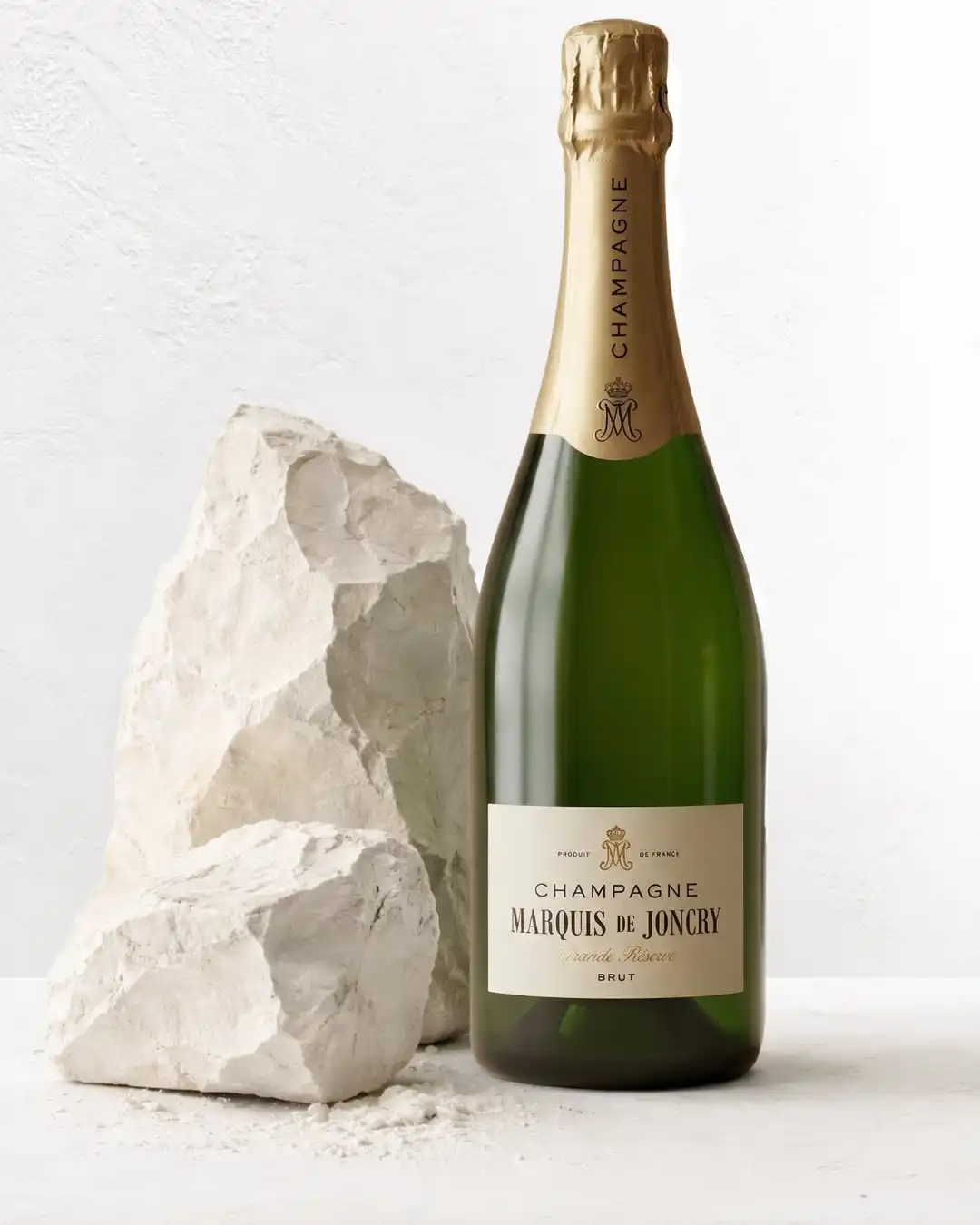
Elevate your meals with ourMarquis de Joncry Grande Réserve Brut Champagne . This ideal pairing, dominated by Chardonnay, offers freshness, mineral intensity, and finesse.
To visit our website, you must be of legal age and old enough to consume alcohol in your country. Please enter your year of birth below.
This site uses cookies (Google Analytics) for statistical purposes to improve the user experience. You are free to consent to this now or at a later time via our Cookie Policy.
By clicking "accept" or "decline," you confirm that you are of legal age and meet the age requirement to access our website. Alcohol abuse is dangerous to your health; please drink responsibly.